• Features
  • Plans
  • Blog
  • FAQs
  • Help
Sign InSign Up
Jan 8, 2026

What Is a Digital Twin for a Bike? A Physical Model, Not a Black Box

A digital twin is a virtual model of your bike's components. Here's what Componentry's actually models, from the five measured inputs to how confidence builds as you ride.

Cover Image for What Is a Digital Twin for a Bike? A Physical Model, Not a Black Box

Know exactly when to replace every component.

Componentry tracks wear automatically from your Strava, Garmin, or Wahoo rides — and alerts you before damage happens.

Try it free

The traditional approach to bicycle maintenance is reactive. Most riders wait for an audible cue or a missed shift before investigating their drivetrain. For the owner of any bike, this delay is more than a nuisance; it is an active degradation of a significant financial investment.

A digital twin is a virtual model of your bike: every component, its accumulated distance and time, its service history, and its modelled condition. Search for "digital twin bicycle" and most of what comes back is marketing language standing in for "we use AI," without much behind it. Componentry's is a physical model with published inputs, not a black box. It weights component wear by the terrain, weather, and intensity of the rides you actually did, and every input it uses is one this guide names.

What a Digital Twin Actually Models

Strip away the buzzword and a digital twin is a set of measured inputs applied consistently to every ride you log. Componentry's personalised component lifespan weights five of them: weather severity, riding intensity, terrain, descending, and riding volume, calculated over a rolling 84-day window and applied per component family across 16 tracked families (chain, cassette, brake pads, and so on, each with their own wear characteristics).

That personalisation only switches on once there is enough data to trust it. Strava's activity feed doesn't expose the power, cadence, and elevation streams the model needs, so a Strava-only connection can't unlock personalised predictions on its own. Connecting Garmin, Wahoo, or Hammerhead, the three sources that provide FIT-file-backed ride data, is what starts the count. Ten FIT-backed rides unlocks an early estimate, twenty-five reaches the full-confidence tier, and fifty or more gets you the highest-confidence tier available. Below ten rides, Componentry suppresses the personalised prediction entirely rather than showing a low-confidence number dressed up as a real one.

This is a deliberate product choice, and it is the opposite of how most "AI-powered" tracking apps behave. A model that shows a confident answer before it has data to be confident about is optimising for the appearance of insight, not the substance of it. Componentry's approach means the tracking gets more precise the more you ride, and says so plainly when it doesn't yet know enough to be precise.


The Science of Predictive Modelling

Drivetrain wear is not a linear process. Factors such as torque loads, environmental contamination, and lubrication efficiency create a variable rate of elongation in the chain. According to a technical analysis by SILCA, the interaction between the inner plates and rollers is the primary source of friction and wear. As these surfaces interface under load, the microscopic peaks and valleys of the steel begin to shear. This process accelerates once the initial factory treatment is depleted. Componentry's physical model accounts for these variables using the terrain, weather, and volume data described above to provide a precise status of your mechanical integrity, not a black-box output you have to take on faith.

Preventing the Component Domino Effect

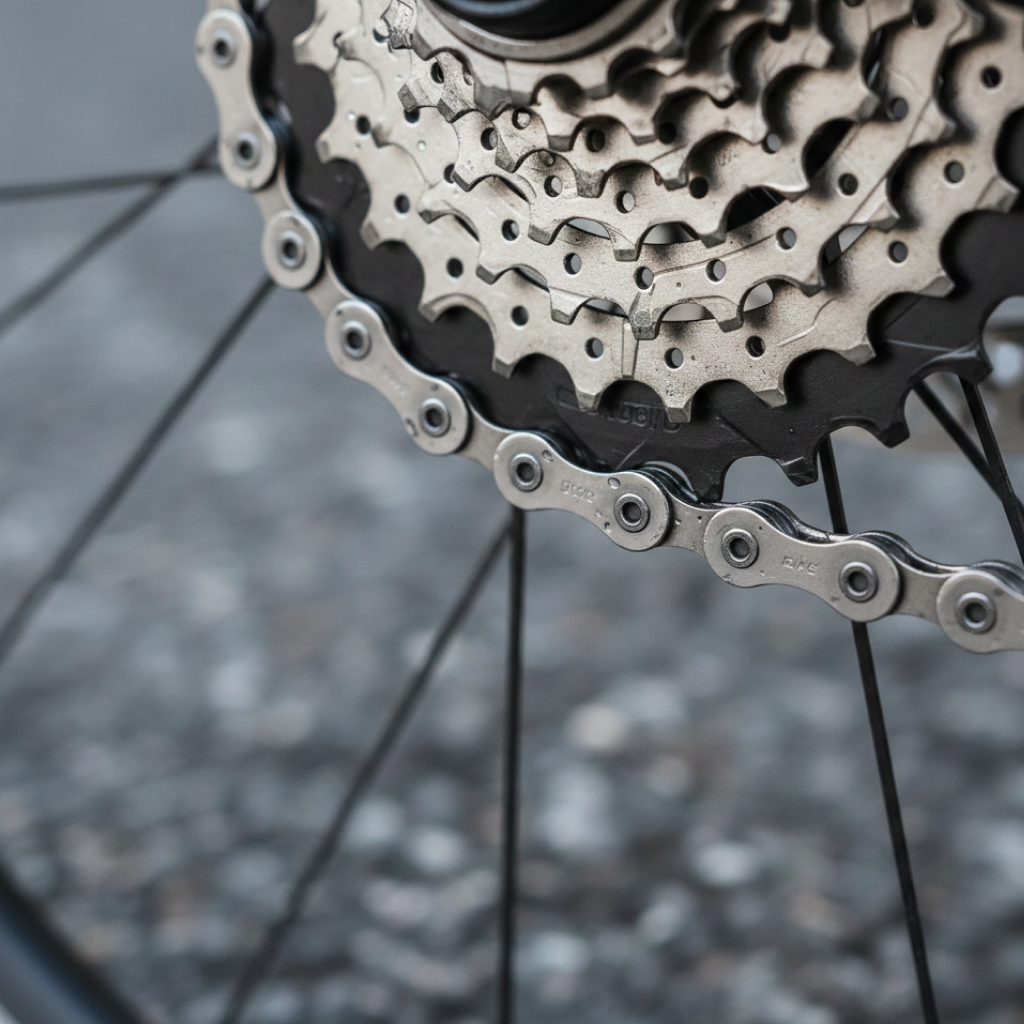
A neglected chain does not fail in isolation. As a chain elongates, it no longer sits correctly in the teeth of the cassette and chainrings. This misalignment forces the harder steel of the chain to ground down the softer alloys of the expensive cassette. Replacing a chain at the correct interval, typically at 0.5 percent elongation for 11 and 12 speed systems, can extend the life of a cassette by three to four times. The Componentry platform acts as an early warning system, ensuring you replace a relatively inexpensive consumable before it destroys your high value hardware.

Predicted Replacement Dates and Race-Day Readiness

Once the model has enough data to trust, it produces a predicted replacement date, not just a wear percentage. That date comes from your remaining personalised distance divided by your recent weekly riding volume, adjusted for how hard you've been riding. If your volume history is too thin to project forward reliably, Componentry returns nothing rather than a fabricated date, and it caps any far-future estimate at "2+ years" instead of presenting false precision on a prediction that far out.

Ahead of a major event, a race-day readiness view projects every component's wear forward to your target date, adjusted for your training volume and any taper you have planned. Rather than hoping your drivetrain and brake pads make it through a stage race, you can see, days or weeks out, exactly which components are projected to cross their replacement threshold before race day and act on it with time to spare.

None of this sits behind a premium tier. The personalised model, the confidence tiers, and the race-day projection are available to every connected rider, not gated as an upsell.

How Componentry Fits Into Your Care Routine

Componentry integrates directly with your Strava, Wahoo, or Garmin account to pull precise mileage and elevation data; personalisation specifically needs Wahoo, Garmin, or Hammerhead for the FIT-file data it depends on. Once you have logged your components, the platform calculates the remaining lifespan of each part from the physical model described above, not a proprietary algorithm you have to trust blindly. You should consult your dashboard after every major block of training. When a component enters the yellow or red zone, the app provides a proactive alert. This allows you to schedule service or order parts in advance, ensuring your bike is always in a race ready state without the need for manual spreadsheets or guesswork.

Recommended Videos & Further Reading

For a deeper understanding of the mechanics of wear and the financial benefits of proactive maintenance, consult these validated resources.

Chain Friction Explained A technical deep dive from SILCA into how friction occurs and why precision lubrication is the most important factor in component longevity.

When to Replace a Chain on a Bicycle The definitive guide from Park Tool on how to measure chain wear and the specific percentages that dictate a replacement.

How To Save Money On Bike Maintenance A video from GCN explaining how simple, data driven maintenance routines prevent catastrophic and expensive failures.

Componentry Resources:

The Same Distance, a Different Wear Story A closer look at how the personalised model weights terrain, power, and weather to produce a lifespan estimate that reflects how you actually ride.

The Chain-Stretch Domino Effect How a worn chain destroys a cassette, and why the replacement interval described above matters beyond the chain itself.

Componentry

Stop guessing. Start tracking.

Connect Strava, Garmin, or Wahoo once — Componentry automatically tracks wear on every component across all your bikes. Know exactly when to replace your chain before it damages your cassette.

Per-component wear tracking
Replacement alerts before damage
Start tracking for free

Free to start. No credit card required.

Know your bike, down to the individual component. Unlock more from your bike to keep it running at peak performance.

© Copyright 2026 Componentry. All Rights Reserved.
Download on the App StoreGet it on Google Play
About
  • Features
  • Plans
  • FAQs
  • Blog
  • Contact
Product
  • Help
  • Changelog
Resources
  • Tire pressure calculator
Compare
  • All comparisons
  • vs ProBikeGarage
  • vs Strava
  • vs Geer
  • vs WatchMy.Bike
  • vs Velo Buddy
  • vs MainTrack
  • vs Bikerly
Legal
  • Terms of Service
  • Acceptable Use Policy
  • Privacy Policy
  • Cookie Policy
Connect
  • @componentry.app
  • @componentry
  • @componentry
  • r/componentry
  • @componentry.app